
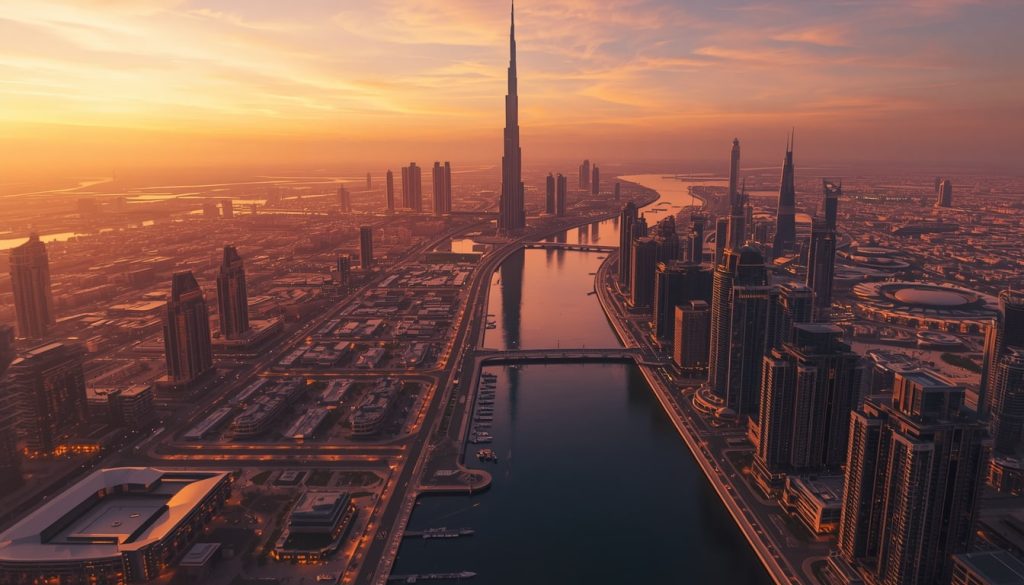
Summary:
“Mid-year 2026 marks a shift in the Dubai real estate landscape from rapid hyper-growth to a stable, value-driven market. With property prices up by 6% and rental yields remaining highly attractive at 6.58%, Dubai continues to attract global investors.”
The Dubai housing market in 2026 has officially entered a new era of maturity. After years of record-breaking, rapid expansion, mid-year data indicates a healthy transition toward stable, sustainable growth. While the sheer volume of transactions has slightly moderated compared to previous peaks, the actual value of real estate investments remains incredibly strong. Investors are no longer just looking for quick flips; they are seeking premium, long-term assets that offer structural security.
Whether you are an expatriate looking to settle down or a global investor analyzing capital appreciation, understanding these mid-year trends is crucial for navigating your next move in the emirate.
Why is the Dubai Housing Market Stabilizing in 2026?
When analyzing the latest data, “stabilization” should not be confused with a downturn. In fact, the first half (H1) of 2026 stands as one of the strongest periods in Dubai’s real estate history, with total residential and commercial sales reaching approximately AED 286.4 billion. However, transaction volumes have fallen by roughly 16% year-over-year. This indicates a “normalization” of the market.
Buyers are becoming more selective, and activity is shifting away from rapid, speculative buying toward high-value properties. This stabilization is exactly what a healthy, maturing global city needs to ensure long-term sustainability rather than a housing bubble.
How Population Inflows Sustain Real Estate Demand
The fundamental bedrock of the Dubai housing market continues to be its rapidly expanding population. Dubai is a global magnet for expatriates, entrepreneurs, and high-net-worth individuals (HNWIs). This consistent influx of new residents creates an unyielding demand for housing, both in the rental and buyer sectors. The introduction and expansion of the Golden Visa program has fundamentally changed buyer psychology. Instead of viewing Dubai as a temporary career stop, expats are now putting down permanent roots, shifting the market heavily toward end-user buyers who want to secure family homes.
Why Off-Plan Properties Still Dominate the Market
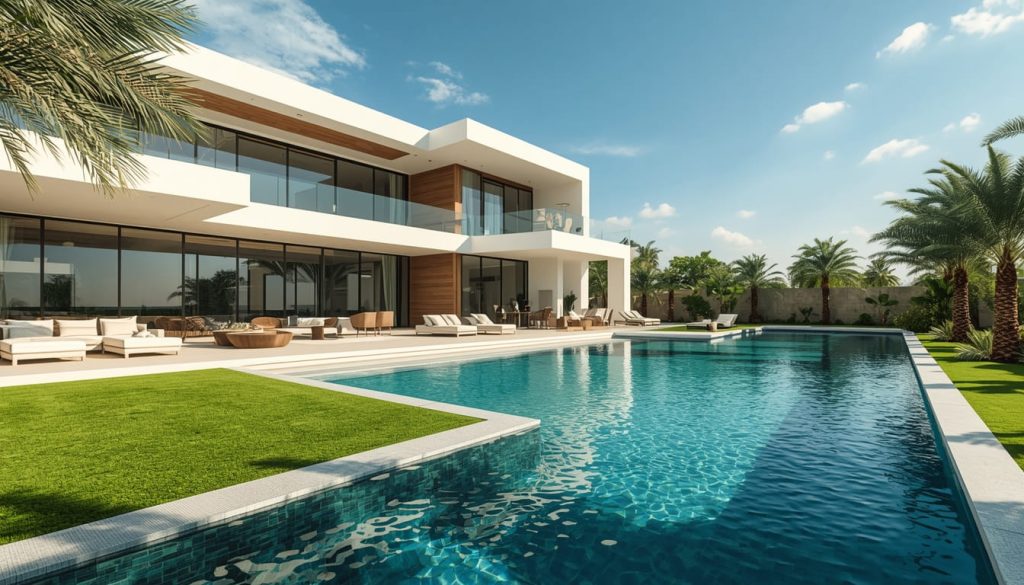
Despite the strong demand for ready-to-move-in homes, the off-plan sector continues to dominate, accounting for roughly 70% to 77% of total market activity in H1 2026. Why? The answer lies in developer discipline and highly attractive payment plans. Top-tier developers have recognized the need to pace their project launches, preventing the oversupply issues that plagued the market a decade ago. Furthermore, off-plan properties offer investors the ability to lock in current prices while spacing out payments, making them an incredibly attractive hedge against future inflation.
How Have Dubai Property Prices Changed by Mid-Year 2026?
Despite a brief, sentiment-driven dip between February and April largely tied to broader regional geopolitical tensions the Dubai housing market demonstrated remarkable resilience. By mid-year 2026, average residential property prices rose by approximately 6% year-over-year, reaching an average of AED 1,900 per square foot. This steady appreciation highlights the market’s strong underlying fundamentals and its ability to absorb external shocks quickly.
How Villa and Apartment Price Trends Compare
When we break down the real estate market trends in Dubai, there is a distinct divergence between villa and apartment performance. Luxury villas in established, highly sought-after communities continue to command premium prices due to a genuine scarcity of supply. Families are prioritizing space, privacy, and community amenities. Apartments, particularly in the premium segment, are also seeing steady price growth, but the supply is slightly more fluid. High-end branded residences and waterfront apartments remain the top choice for overseas investors looking for holiday homes or high-yield rental properties.
Why Micro-Markets Like Dubai South are Emerging
While areas like Downtown Dubai and Palm Jumeirah remain the crown jewels of the city, the real growth story of 2026 is happening in emerging micro-markets. Investors who ask if it is worth investing in Dubai real estate are increasingly turning their attention to infrastructure-led growth corridors. Dubai South, driven by the massive expansion of Al Maktoum International Airport, is emerging as a critical hub for long-term capital appreciation. These developing areas offer lower entry price points but boast tremendous upside potential as the city expands its urban footprint southward.
Why Rental Yields in Dubai Remain Historically High
For income-focused investors, Dubai remains one of the most lucrative cities on the planet. Rental demand reached historic highs in mid-2026, with June recording an unprecedented number of new and renewed tenancy contracts. Because property price growth has stabilized while population demand continues to surge, average gross rental yields remain highly attractive, hovering around 6.58%. In certain high-demand apartment sectors, yields can easily exceed 7% to 8%, figures that easily outperform mature markets like London or New York.
How Landlords Can Maximize Returns Through 800 Homes
Achieving these high yields requires more than just buying a property; it requires strategic management. To truly maximize rental income in Dubai, landlords must be proactive. At 800 Homes, we advise our clients to focus on tenant retention, premium property maintenance, and strategic upgrades. By keeping a property in pristine condition and understanding the micro-market rental rates, landlords can minimize vacancy periods and command top-tier rents. Partnering with a specialized agency like 800 Homes ensures that your asset is positioned perfectly to attract high-quality, long-term tenants.
When is the Best Time to Invest in Dubai Real Estate?
Timing the market is always a challenge, but the data suggests that the second half of 2026 presents a unique window of opportunity. The slight dip in sentiment earlier in the year has created a buyer-friendly environment where negotiations are possible, yet the upward trajectory of the market remains intact. Waiting too long into 2027 could mean missing out on the current price levels, especially as new infrastructure projects break ground and further restrict supply in prime locations.
How Global Uncertainty Drives Capital to Dubai
Dubai’s status as a global safe haven cannot be overstated. In an era of international economic uncertainty and shifting geopolitical landscapes, global wealth continues to migrate to the UAE.
Investors are drawn to Dubai’s tax-free environment, unparalleled safety, and robust legal frameworks that protect property rights. When wealthy individuals look for a secure location to park their capital, Dubai consistently ranks at the top, directly fueling the demand for luxury real estate and sustaining property values.
How to Navigate Cash Purchases vs. Mortgage Rates
One of the unique features of the Dubai housing market is its insulation from global interest rate shocks. A significant portion of transactions in Dubai are funded entirely by cash, meaning the market does not slow down dramatically when central banks adjust mortgage rates. However, for those looking to finance their purchase, 2026 offers competitive local lending options. Buyers should closely monitor fixed versus variable rate options and work with financial advisors to lock in the best terms before potential rate adjustments in late 2026.
What to Expect: Dubai Housing Market Forecast for Late 2026 and 2027
Looking ahead, the forecast for the remainder of 2026 and into 2027 is overwhelmingly positive, characterized by sustainable, controlled growth. At 800 Homes, our data models project a steady 4% to 7% residential price growth through the end of the year. If population inflows accelerate faster than expected, we could see localized growth pushing closer to 10% in the most desirable residential communities in Dubai.
“The mid-year data confirms what we have been advising our clients all year: Dubai is no longer a transitional market; it is a mature, structural powerhouse. The 6% growth we are seeing is not speculative; it is grounded in real demographic demand and unparalleled urban planning. For investors, this means the focus should be on long-term capital appreciation rather than short-term gains,” notes the advisory team at 800 Homes.
As developers continue to exercise supply discipline and the government rolls out further initiatives to attract global talent, the supply-demand dynamic will remain tightly balanced, ensuring that property values hold their ground securely.
Frequently Asked Questions
When will the Dubai housing supply match current demand?
While numerous off-plan projects have been launched in recent years, developer handover schedules are heavily staggered. Strict RERA regulations and escrow requirements mean that supply is being introduced to the market in a controlled manner. It is unlikely that supply will drastically overshoot demand in the near term, keeping prices relatively stable through 2027.
How do Golden Visas impact the 2026 property market?
The Golden Visa has been a game-changer for Dubai real estate. By offering 10-year residency for substantial property investments, it has converted thousands of transient renters into permanent homeowners. This initiative provides a structural floor to the market, as these buyers are making long-term commitments to the city, reducing market volatility.
Why choose 800 Homes for your next real estate investment?
Navigating a maturing market requires precise, hyper-local expertise. At 800 Homes, we don’t just provide listings; we provide data-driven advisory services. From identifying the most lucrative off-plan opportunities to managing high-yield rental portfolios, our team ensures that every investment decision is backed by the latest market intelligence and tailored to your specific financial goals.
