

Summary
“Confused about buying property in the UAE? We break down the legal and financial differences between freehold and leasehold ownership to help you make the right investment choice.”
Dubai has rapidly transformed into one of the world’s most attractive real estate hubs. From the futuristic skyline of Downtown to the waterfront luxury of the Palm Jumeirah, the city offers opportunities that are hard to match globally. However, for expatriates and international investors looking to enter this market, the legal terminology can be confusing.
If you are looking to buy a home, you have likely encountered two main terms: Freehold and Leasehold. Understanding the distinction between freehold vs leasehold in Dubai is not just a matter of vocabulary; it is the most critical factor that dictates your ownership rights, your visa eligibility, and the long-term value of your investment.
In this comprehensive guide, 800 Homes breaks down the legalities, financial implications, and pros and cons of each ownership type. Whether you are a first-time buyer or a seasoned investor, this post will ensure you make a decision that aligns with your financial goals.
Understanding the Basics of Property Ownership in the UAE
Before we dive into the comparison, we must understand the history. Prior to 2002, foreign nationals were largely restricted from owning property in Dubai. The introduction of the Freehold Decree changed everything, opening the doors for international investors to own a piece of this vibrant city.
However, the government created specific distinctions to regulate land and maintain a balance between local heritage and foreign investment.
What is Freehold Property?
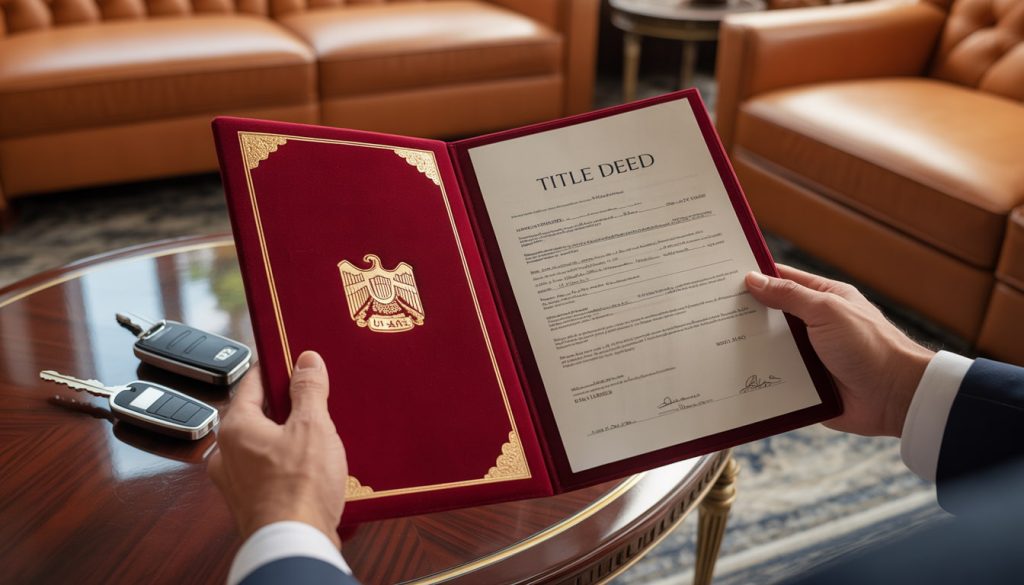
Freehold ownership is the most complete form of property ownership. When you buy a freehold property, you own the unit and the land it is built on. This ownership is registered in your name at the Dubai Land Department (DLD), and you receive a Title Deed.
- Duration: Perpetual (Forever).
- Who is it for? Any nationality (in designated areas).
- Key Feature: You have full control to sell, lease, or renovate the property.
What is Leasehold Property?
Leasehold ownership means you are buying the right to occupy or use a property for a fixed period, typically 99 years. While you own the rights to the unit for that duration, the ultimate ownership of the land remains with the landlord (often a government entity or a local developer).
- Duration: Fixed term (usually 30 to 99 years).
- Who is it for? Available in areas not designated as freehold.
- Key Feature: At the end of the lease, ownership reverts to the freeholder.
Freehold vs Leasehold in Dubai: The Core Differences
When analyzing freehold vs leasehold in Dubai, you need to look at four main pillars: Control, Cost, Visa Eligibility, and Legacy.
1. Ownership Rights and Control
This is the biggest differentiator.
- Freehold: As a freehold owner, you are the “king of the castle.” You can make structural changes, renovate the interiors, and repaint the walls without needing permission from the original developer (though you still need standard municipal approvals).
- Leasehold: Your rights are limited. You generally need written approval from the freeholder (landlord) for any significant modifications. You are essentially a very long-term tenant with more rights than a standard renter, but less than a full owner.
2. The “Designated Areas” Rule
This is a crucial concept for expats. Foreigners cannot buy freehold property just anywhere in Dubai. You are restricted to “Designated Zones.”
- Freehold Zones: These include popular investment hubs like Dubai Marina, Downtown Dubai, and Palm Jumeirah.
- Leasehold Areas: Often found in older, non-designated areas of the city, like parts of Deira or specialized zones like Dubai Silicon Oasis (though rules here are evolving).
3. Resale and Liquidity
- Freehold: These properties typically have higher liquidity. Because you own the land, the asset appreciates over time, making it easier to sell to other investors.
- Leasehold: Reselling a leasehold property can be trickier. As the lease term decreases (e.g., from 99 years down to 80 years), the value of the property may decrease. Buyers are often hesitant to purchase a property with a shortening lease.
Deep Dive: Designated Freehold Areas in Dubai
If you are an expat looking to buy, you will likely be looking at Freehold Designated Areas. These are zones specifically allocated by the Ruler of Dubai for foreign ownership.
Investing in these areas ensures your name is on the Title Deed with full rights. Some of the most popular freehold communities include:
- Dubai Marina & JBR: High-rise luxury living perfect for short-term rentals and high ROI.
- Downtown Dubai: Home to the Burj Khalifa, offering premium appreciation.
- Palm Jumeirah: The epitome of luxury villas and apartments.
- Dubai Hills Estate: A family-centric community with green spaces and golf courses.
- Business Bay: A corporate and residential hub ideal for professionals.
- Jumeirah Lake Towers (JLT): Offers excellent value for money and connectivity.
Browse All Properties for Sale in Dubai
Pros and Cons of Freehold Property
For the vast majority of our clients at 800 Homes, freehold is the preferred route. However, it is important to weigh the benefits against obligations.
The Pros (Why Buy Freehold?)
- Full Ownership: The property remains yours forever. There is no time limit.
- Golden Visa Eligibility: This is a massive benefit. If you purchase a freehold property worth AED 2 million or more, you are eligible for the 10-Year UAE Golden Visa. Even properties worth AED 750,000 can grant you a 2-year investor visa.
- Inheritance: In the event of your passing, a freehold property becomes part of your estate. With a registered will, you can pass this asset down to your chosen heirs.
- Capital Appreciation: Since you own the land, as the area develops and land prices rise, your property value increases.
The Cons (Things to Consider)
- Maintenance Liability: With great power comes great responsibility. You are responsible for the upkeep of the unit. If you buy a villa, you manage the roof, the garden, and the structure. In apartments, you must pay annual Service Charges to the building management.
- Higher Upfront Cost: Freehold properties generally command a higher price per square foot compared to leasehold options.
Pros and Cons of Leasehold Property
While less common for individual investors, leaseholds still have a place in the market.
The Pros (Why Buy Leasehold?)
- Lower Entry Price: Leasehold properties are often cheaper than their freehold counterparts. If you have a limited budget but want to stop paying rent, this could be an option.
- Specific Locations: Sometimes, you might want to live in a specific area of Dubai that is not a designated freehold zone. Leasehold allows you to live there long-term.
- Limited Repair Liability: Depending on the contract, the ultimate freeholder (landlord) might be responsible for major structural repairs, limiting your financial exposure.
The Cons (The Risks)
- Depreciating Asset: Unlike land which gains value, a lease acts like a ticking clock. As the end of the 99 years approaches, the value drops significantly.
- Renewal Uncertainty: What happens after 99 years? Theoretically, ownership reverts to the landlord. While lease extensions are possible, they are costly and not guaranteed.
- Restricted Alterations: You cannot knock down walls or make major changes without navigating complex approval processes with the landlord.
Legal Implications: The Dubai Land Department (DLD) & Title Deeds
Whether you choose freehold vs leasehold in Dubai, all transactions must be registered with the Dubai Land Department (DLD).
The Title Deed
When you complete your purchase, you receive a Title Deed.
- Freehold Title Deed: States you are the absolute owner of the land and unit.
- Leasehold Title Deed: Clearly states the lease start date and end date.
Registration Fees
Both types of property require a registration fee to the DLD, typically 4% of the property value. This is a government mandate and ensures your rights are legally protected in the registry.
Which Option is Right for You?
Deciding between freehold and leasehold depends entirely on your objectives. Here is how 800 Homes categorizes the decision-making process:
Choose Freehold If:
- You are an Investor: You want to maximize ROI through capital appreciation and high rental yields. Freehold properties in prime areas like Dubai Marina or Downtown are liquid assets.
- You want Residency: You are looking to secure a Golden Visa or Investor Visa for you and your family.
- You want a Legacy: You intend to keep the property in the family for generations.
- You are an Expat: Since you are a non-GCC national, freehold offers the most security for your capital.
Choose Leasehold If:
- Budget is Tight: You have a smaller budget and simply want to stop paying “dead money” on rent, even if the asset doesn’t appreciate it as much.
- Short-Term Horizon: You only plan to use the property for 10-20 years and are comfortable with the depreciation risks.
- Location Specifics: You absolutely must live in a non-designated area for work or family reasons.
The Future of Real Estate in Dubai
The Dubai government is actively encouraging freehold investment. Recent laws regarding the Golden Visa and retirement visas are specifically designed to attract foreign wealth into freehold assets.
While leasehold exists, the market trend is heavily skewed toward freehold. Developers like Emaar, Damac, and Sobha are launching massive freehold communities, signaling that this is the future of Dubai real estate.
As we look toward 2026 and beyond, owning land in Dubai is not just about having a home; it’s about holding a stake in one of the fastest-growing economies in the world.
Conclusion
When debating freehold vs leasehold in Dubai, the winner for most international buyers is clear: Freehold.
Freehold ownership offers superior control, better appreciation, visa benefits, and the security of owning the land forever. Leasehold may offer a lower entry point, but it lacks the long-term financial upside that most investors seek.
At 800 Homes, we specialize in helping clients navigate these decisions. We ensure you aren’t just buying a property; you are making a smart investment.
Ready to find your perfect freehold property?
Browse our exclusive listings today or contact our team for a consultation on the best designated zones for your budget.
Frequently Asked Questions (FAQs)
Yes, foreigners can buy freehold property, but only in “Designated Areas” such as Dubai Marina, Palm Jumeirah, Downtown Dubai, and Dubai Hills Estate.
When a leasehold contract (usually 99 years) expires, the ownership of the property reverts to the freeholder (the landlord). You may have the option to renew the lease, but this will involve paying a significant fee.
Generally, yes. Freehold properties offer better capital appreciation, are easier to sell (higher liquidity), and grant full control over the assets, making them superior for ROI.
It is possible to get a visa with leasehold property if the lease term is long (usually over 99 years) and the value meets the threshold, but Freehold is the most direct and common pathway for the 2-year, 5-year, and Golden Visas.
The main “hidden” cost is the annual Service Charge (maintenance fee) paid to the building or community management. You are also responsible for all internal repairs. However, there is no ground rent to pay, unlike some leasehold models.
