DIFC’s $27.2 Billion Expansion: A New Era for Dubai’s Commercial and Residential Real Estate
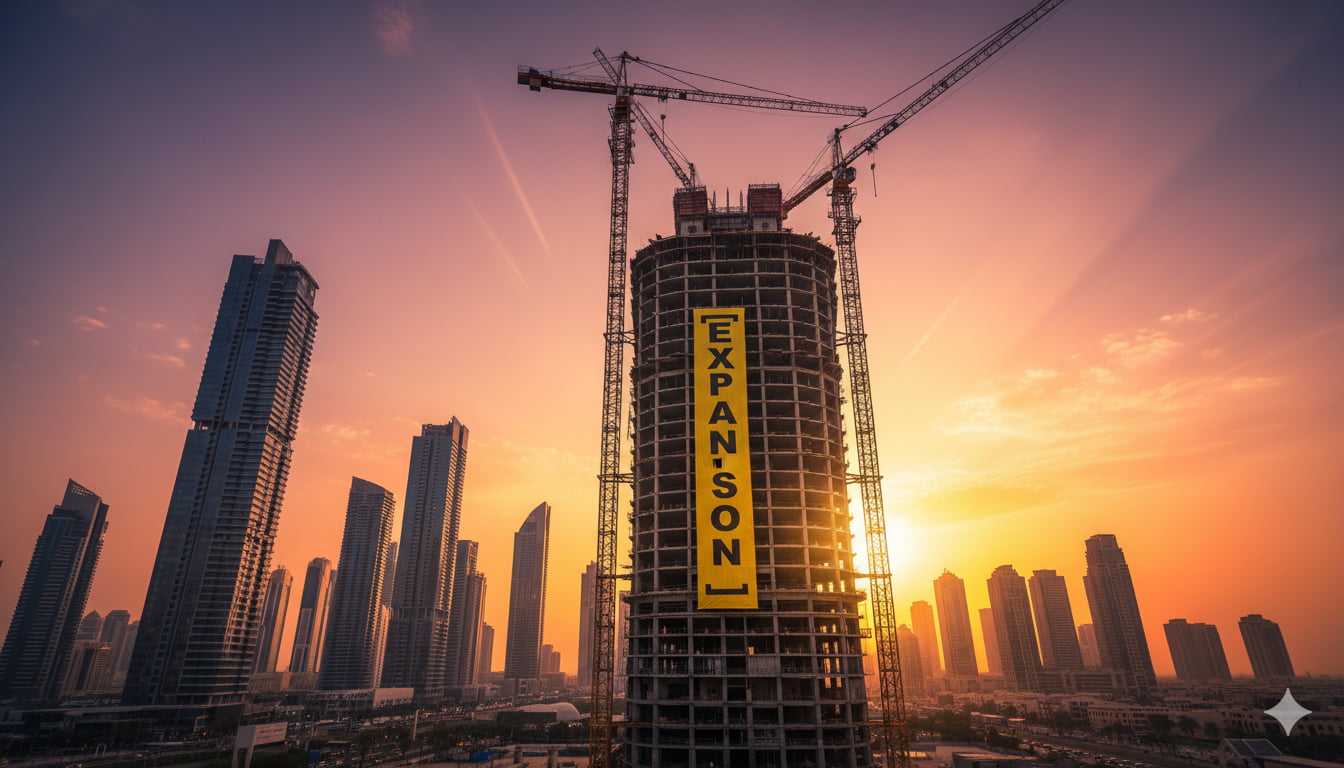
The Dubai International Financial Centre (DIFC) is poised for a transformational leap with a massive $27.2 billion (AED 100 billion) expansion plan. This strategic development, known widely as DIFC 2.0, is set to fundamentally reshape the emirate’s real estate landscape, addressing critical supply shortages while cementing Dubai’s status as a global financial heavyweight comparable to London and New York.
Solving the "Grade A" Crunch
The primary driver behind this colossal investment is the acute shortage of Prime "Grade A" office space in Dubai. With occupancy rates in the financial district hovering near 100%, global banks, hedge funds, and asset management firms have faced challenges securing premium headquarters. This expansion will introduce millions of square feet of cutting-edge commercial space, alleviating current market pressure and accommodating the influx of international firms seeking to establish their regional base in the UAE.
A Holistic Lifestyle Destination
Beyond commercial towers, the expansion is designed as a mixed-use ecosystem. It will integrate luxury residential units, retail outlets, and lifestyle amenities directly into the financial hub. This "live-work-play" model is expected to drive demand for residential property within the district, as high-net-worth professionals seek proximity to their workplaces.
Economic Impact
Industry experts, including analysts from Knight Frank, view this as a game-changer. The influx of capital and construction activity will stimulate the broader economy. By tripling the scale of the current district, DIFC is not just expanding its physical footprint but also its economic contribution to Dubai’s GDP.
Future Outlook
As construction progresses, the Dubai real estate market is expected to see a recalibration. While the new supply will eventually balance rental rates, the immediate effect is a surge in investor confidence. The project signals to the world that Dubai is preparing for decades of sustained financial growth.
For the original reporting and detailed financial breakdown, please refer to the source: Arabian Business.

